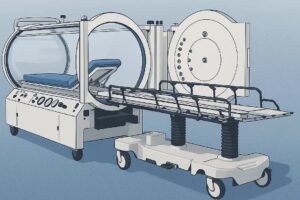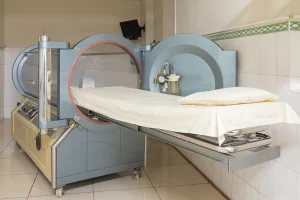
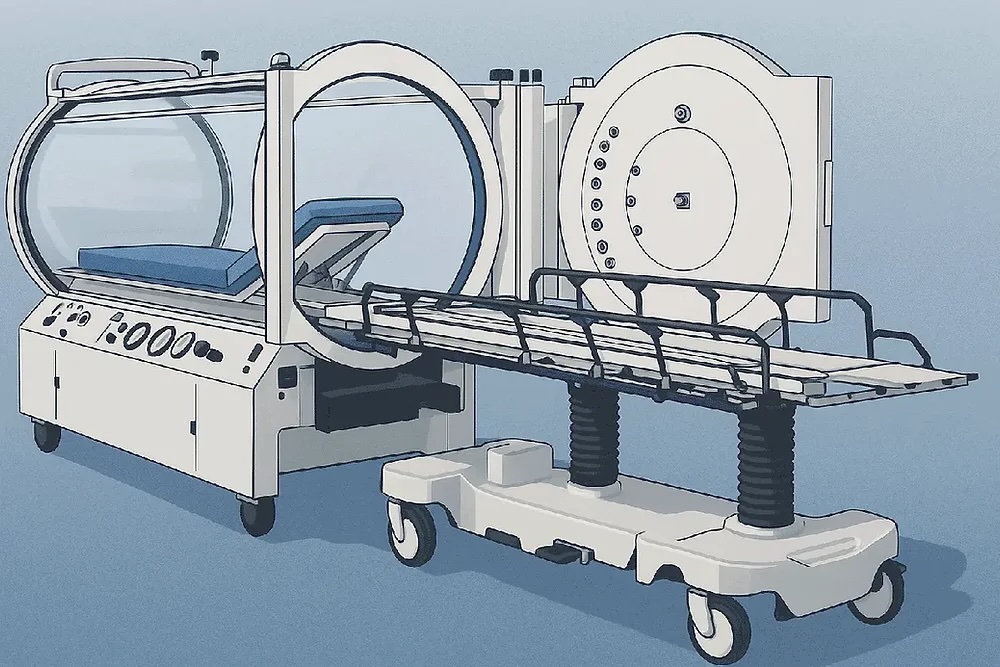
Hyperbaric oxygen therapy is a popular and highly effective wound care treatment that does not involve any surgery or invasive medical procedures. The patient enters a hyperbaric chamber filled with 100% oxygen under pressure greater than sea level, causing more oxygen to enter their bloodstream and boost the healing process of their non-healing wounds. Of course, patients want to know how if their insurance covers the hyperbaric oxygen therapy treatment, and if not, how much would it cost. Call us today at (520) 492-3350 to learn more about hyperbaric oxygen therapy costs in Tucson, explore your treatment options, or schedule your appointment!
How Much Does Hyperbaric Oxygen Therapy Cost in Tucson and What Does Insurance Cover?
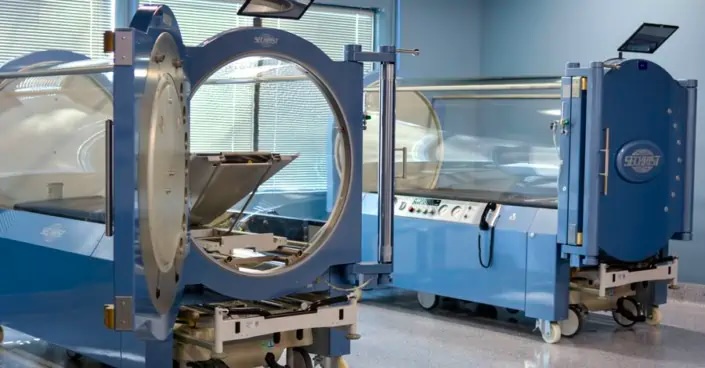 Below is an overview of the FDA stance on hyperbaric oxygen therapy, the types of condition that are covered by original Medicare, and examples of additional covered conditions that other insurances often approve (PPO, HMO, Medicare Advantage). The U.S. Food and Drug Administration (FDA) has approved hyperbaric oxygen therapy to treat several medical conditions, including non-healing wounds, decompression sickness, radiation tissue damage, failed skin grafts, central retinal artery occlusion, and carbon monoxide poisoning. These are considered “on-label” conditions, meaning most health insurance carriers will provide coverage for treatment. Conditions that have not received FDA approval for hyperbaric oxygen therapy are considered “off-label” and may not be covered by insurance. However, patients can still seek treatment for these conditions, and the staff at the hyperbaric medicine center can submit an authorization request to determine whether their insurance will cover the cost.
Hyperbaric oxygen therapy is available at some hospitals and freestanding, physician-owned centers like Southern Arizona Limb Preservation Center (SALPC). In many cases, patients can expect lower out-of-pocket costs at freestanding facilities compared to hospital-based centers, which typically have higher operating expenses. For example, a patient requiring 40 hyperbaric oxygen therapy treatments may face higher coinsurance, deductibles, and potentially hundreds or even thousands of dollars in additional costs at a hospital. Freestanding centers often have lower overall treatment costs, resulting in reduced patient responsibility. However, costs may be similar depending on your insurance plan, secondary coverage, or whether you have already met your annual deductible. Choosing a freestanding facility like SALPC could help you save significantly on copays and other out-of-pocket expenses.
Original Medicare provides coverage for hyperbaric oxygen therapy when administered in a hyperbaric chamber, including single-person chambers. Coverage is limited to the following medical conditions:
- Carbon monoxide poisoning
- Decompression sickness
- Gas embolism
- Gas gangrene
- Acute traumatic peripheral ischemia (severely reduced blood flow following an injury)
- Severe crush injuries and reattachment of severed limbs
- Necrotizing infections (including necrotizing fasciitis)
- Acute peripheral arterial insufficiency (sudden reduction in blood flow to the limbs)
- Compromised skin grafts (to help preserve damaged or failing grafts)
- Chronic refractory osteomyelitis (bone infections that do not respond to standard treatment)
- Radiation-related tissue damage (including osteoradionecrosis and soft tissue radionecrosis)
- Cyanide poisoning
- Actinomycosis (severe bacterial infections resistant to conventional treatment)
- Diabetic foot and lower-extremity wounds (Wagner Grade III or higher that have not improved after at least 30 days of standard wound care)
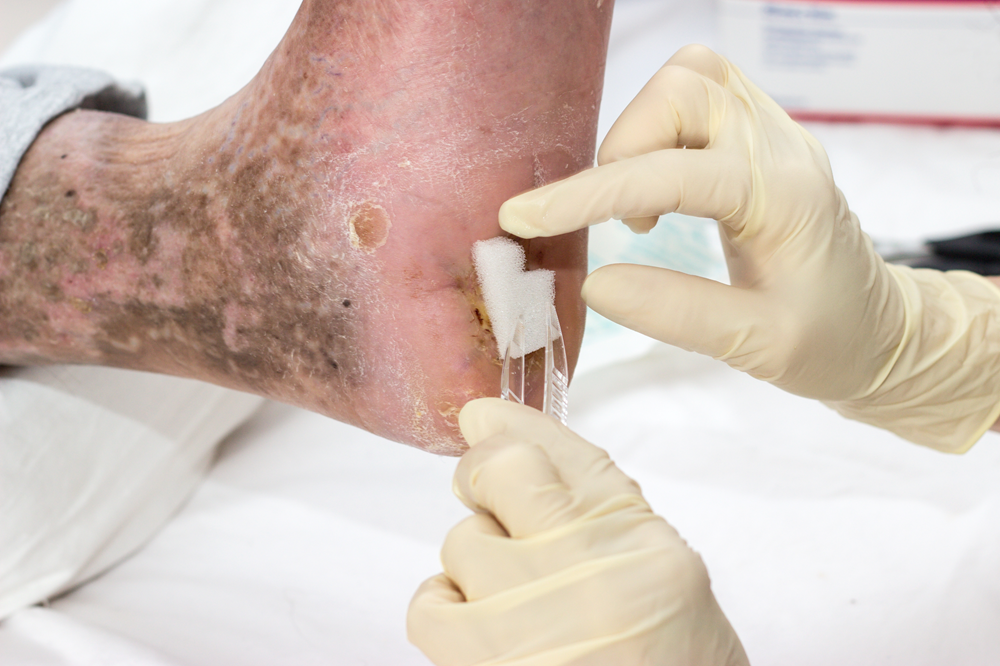 The use of HBO therapy is covered as adjunctive therapy only after there are no measurable signs of healing for at least 30 –days of treatment with standard wound therapy and must be used in addition to standard wound care. Standard wound care in patients with diabetic wounds includes: assessment of a patient’s vascular status and correction of any vascular problems in the affected limb if possible, optimization of nutritional status, optimization of glucose control, debridement by any means to remove devitalized tissue, maintenance of a clean, moist bed of granulation tissue with appropriate moist dressings, appropriate off-loading, and necessary treatment to resolve any infection that might be present. Failure to respond to standard wound care occurs when there are no measurable signs of healing for at least 30 consecutive days. Wounds must be evaluated at least every 30 days during administration of HBO therapy. Continued treatment with HBO therapy is not covered if measurable signs of healing have not been demonstrated within any 30-day period of treatment.
Other health insurance plans may cover hyperbaric oxygen therapy for additional medical conditions when treatment is considered medically necessary and follows the guidelines established by the Undersea and Hyperbaric Medical Society (UHMS). These conditions may include:
- Acute peripheral arterial insufficiency (sudden reduction in blood flow)
- Severe burns (deep second-degree or third-degree burns)
- Acute traumatic ischemia (reduced blood flow caused by injury)
- Carbon monoxide poisoning
- Central retinal artery occlusion (CRAO) (blocked blood flow to the retina)
- Diabetic wounds (severe wounds that have not healed after standard treatment)
- Arterial ulcers (non-healing wounds caused by poor circulation)
- Pressure ulcers (severe bedsores with complications)
- Venous stasis ulcers (wounds caused by poor blood circulation)
- Chronic refractory osteomyelitis (persistent bone infections)
- Compartment syndrome (dangerous pressure buildup in muscles)
- Compromised skin grafts or flaps
- Severe crush injuries
- Cyanide poisoning
- Decompression sickness
- Radiation-related tissue damage (damage to bones, soft tissue, or bladder)
- Gas or air embolism
- Gas gangrene
- Sudden sensorineural hearing loss (severe hearing loss unresponsive to steroids)
- Intracranial abscess (infection within the skull)
- Necrotizing soft tissue infections
- Dental surgery involving a previously irradiated jaw
- Severe anemia from blood loss (when transfusions are unavailable or delayed)
It is important to note that SALPC, as a freestanding unit does not treat emergency conditions such as carbon monoxide poisoning, acute peripheral arterial insufficiency, decompression illness and acute traumatic ischemia. Call us today at (520) 492-3350 to learn more about which medical conditions may qualify for insurance coverage for hyperbaric oxygen therapy!
How the Number of Treatments Affects Hyperbaric Oxygen Therapy Costs
The number of hyperbaric treatments you receive, and the duration of those treatments typically depends on the accepted protocols for specific indications. In most cases, patients require 2-hour sessions, 5 days per week, for 6 weeks. However, some conditions require only 1-hour sessions and you may only need a few treatments. It all depends upon the diagnosis and best practices. The hyperbaric clinic staff will work with you if your insurance does not cover the treatment. In most cases, medically necessary treatments will be covered. Your co-pays and other out-of-pocket costs should be less in the freestanding unit. Getting treatment with hyperbaric oxygen therapy can help you heal and prevent more serious complications.
Request a Free Consultation for Hyperbaric Oxygen Therapy!
Are you interested in hyperbaric oxygen therapy to treat your particular condition, wound, or injury? Contact Southern Arizona Limb Preservation Center in Tucson for more information on your specific condition and whether your insurance will cover the treatment. The staff will review cash payments and payment plans if your insurance does not cover the treatment. You can have a consultation with the hyperbaric specialist and begin your journey to better health. Call us today at (520) 492-3350! We look forward to connecting with you and discussing your hyperbaric oxygen therapy needs!